
4 Benefits of Feeding Raw
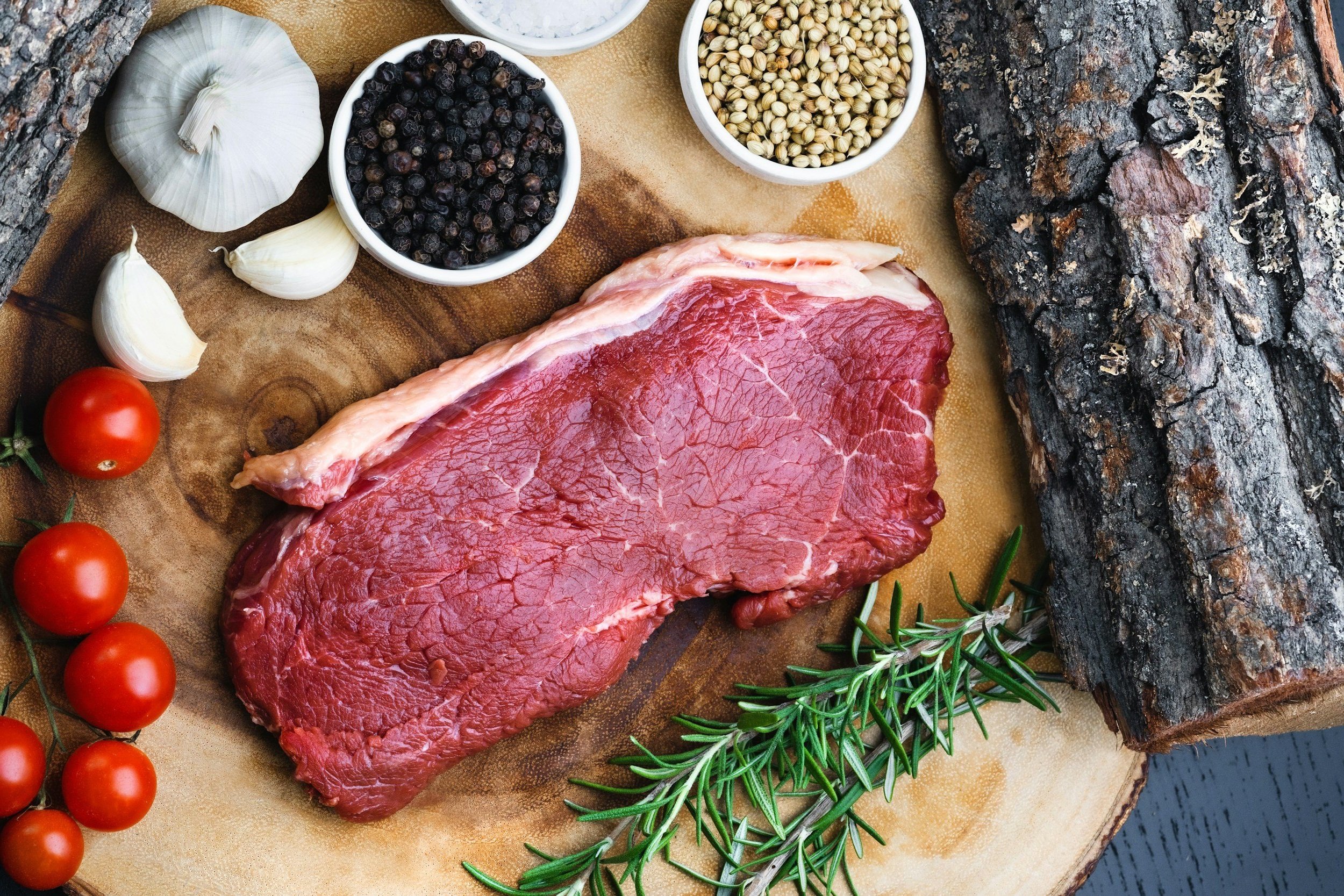
If you’ve ever looked at the label on a bag of kibble and wondered what half the ingredients are, you’re not alone. More pet owners are starting to question the processed, filler-heavy food that’s become the norm—and exploring raw feeding as a more natural alternative.
Raw diets focus on feeding dogs and cats what their bodies are built for: real meat, bones, and organs, with no synthetic additives or mystery meals. In this article, we break down four of the most important benefits of a well-formulated raw diet—based on science, real-world experience, and what we’ve seen firsthand.
Stronger Immune Function, Fewer Vet Visits
A balanced raw diet provides nutrients in their most natural, unprocessed form—supporting immune health, joint function, organ health, and metabolic balance. By eliminating ultra-processed ingredients, inflammatory fillers, and artificial preservatives, raw feeding gives the body what it needs to function efficiently and fight off illness.
Many pet owners report fewer ear infections, skin flare-ups, digestive issues, and overall vet visits after transitioning to raw. While genetics and environment still play a role, proper nutrition is foundational—and a raw diet gives your pet a real edge in staying healthy over the long term.
Improved Digestibility & Smaller Stools
Raw food is easier for pets to digest because it closely mirrors what their bodies are biologically designed to process. Unlike kibble, which is typically packed with starches, synthetic additives, and rendered byproducts, raw food contains real, whole ingredients that require less digestive effort.
With better digestion comes better nutrient absorption—and less waste. You’ll often notice smaller, firmer stools with less odor, which is a clear sign your pet is utilizing more of what they eat. For pets with sensitive stomachs, inconsistent bowel movements, or chronic GI issues, switching to a properly formulated raw diet can lead to major improvements.
Healthier Skin & Shinier Coat
Raw food is easier for pets to digest because it closely mirrors what their bodies are biologically designed to process. Unlike kibble, which is typically packed with starches, synthetic additives, and rendered byproducts, raw food contains real, whole ingredients that require less digestive effort.
With better digestion comes better nutrient absorption—and less waste. You’ll often notice smaller, firmer stools with less odor, which is a clear sign your pet is utilizing more of what they eat. For pets with sensitive stomachs, inconsistent bowel movements, or chronic GI issues, switching to a properly formulated raw diet can lead to major improvements.
Cleaner Teeth & Fresher Breath
Dental health starts with what goes in the bowl. Processed pet foods often contain carbohydrates and fillers that stick to teeth and contribute to plaque and tartar buildup. Raw diets, especially those that include raw meaty bones, help keep teeth naturally cleaner by encouraging chewing and reducing the sugars that feed oral bacteria.
Even for pets on ground raw diets without bones, removing processed carbs from the equation can result in better oral hygiene, reduced gum inflammation, and noticeably fresher breath. While not a replacement for vet dental care, raw feeding is a proactive step toward long-term dental health.